 -10% off !
- Shopping cart
 0
0
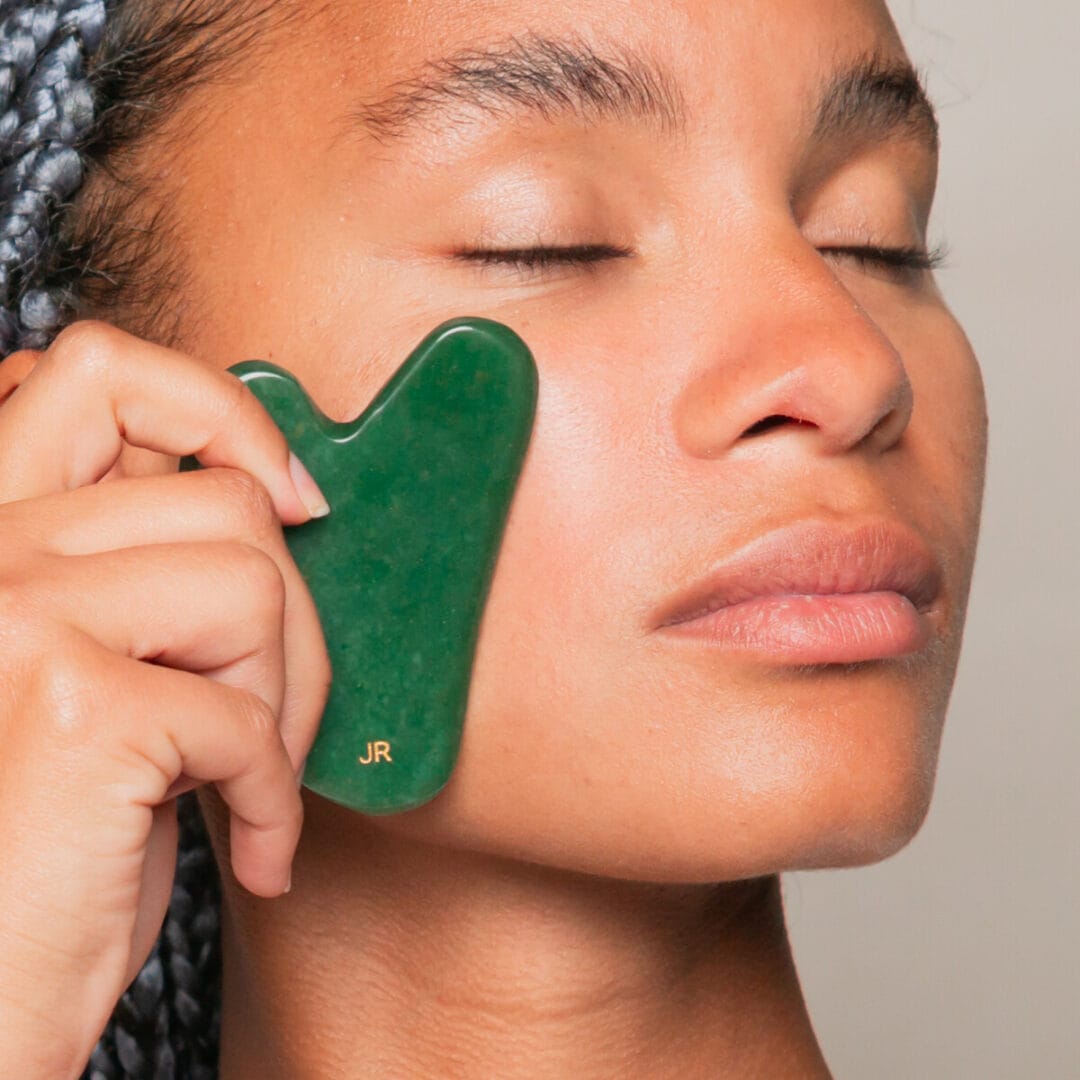
The science behind the gesture: why does it work?
Unlike simply applying a cream, gua sha works on the deeper layers of tissue. According to skin experts, its effectiveness rests on two physiological pillars: circulatory stimulation and work on the fascia.
1. Activation of microcirculation
When the stone is slid with moderate pressure, a slight hyperemia (an increase in blood flow) is caused.
Dr. Catherine Gounel's opinion: this stimulation brings an influx of oxygen and nutrients to skin cells. The result: an instantly fresher complexion and skin that regenerates better.
2. The release of muscle tension
Our faces accumulate tension, particularly around the jaw and forehead. Gua sha allows us to "massage" the fascia, the connective tissue that surrounds our muscles. By relaxing them, our features become smoother and our tired appearance diminishes.
Lymphatic drainage: the secret weapon against puffiness
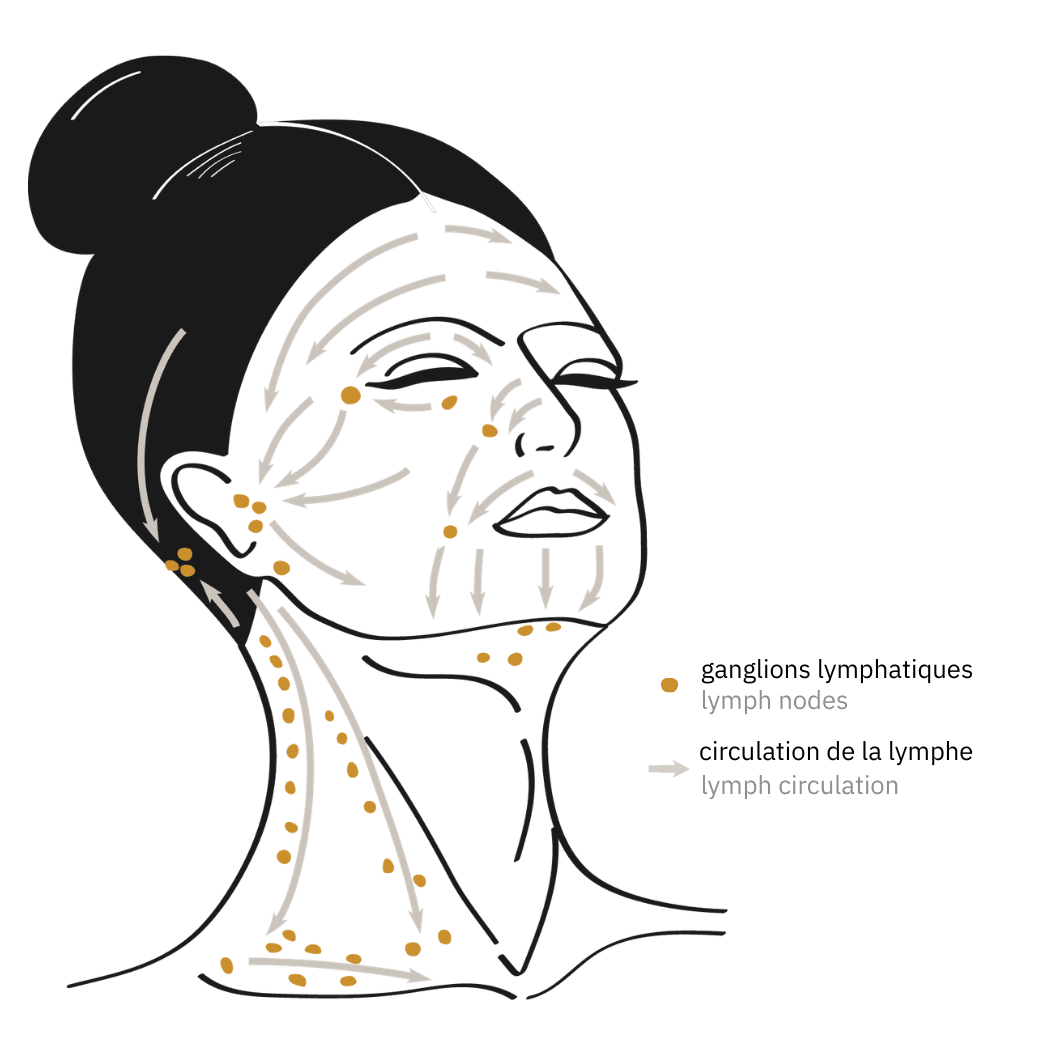
The "before and after" results are so impressive for dark circles and the oval of the face thanks to the lymphatic system. Unlike blood, lymph doesn't have a pump (like the heart) to circulate: it depends on our movements.
- The action of gua sha: it helps to direct the lymph towards the lymph nodes (located in the neck and ears).
- The benefit: a visible reduction in morning swelling and better elimination of toxins.
- Tip: always use a care oil so that the stone glides without unnecessarily stretching the tissues.
Dr. Gounel's verdict: precautions and reality
Gua sha is not a miracle cure for deep wrinkles that have been present for years, but it is an excellent tool for prevention and overall care.
The three golden rules for safe practice:
- Hygiene : Clean your stone after each use to prevent bacterial growth.
- The angle : hold the stone almost flat against the skin (about 15°) rather than perpendicular.
- Gentleness : there's no need to press hard. The lymphatic system is located just beneath the skin's surface: light pressure is sufficient.
| Expected profit | Biological mechanism | Time to see the results |
| Radiant complexion | Superficial vasodilation | Immediate |
| Deflating effect | Lymphatic drainage | 5 to 10 minutes |
| Firmness | Fibroblast stimulation | 4 to 6 weeks (regular use) |
Conclusion: a health ritual above all
More than just a beauty accessory, the gua sha is a health tool for your skin. By combining medical advice with regular use, you can give your face a true cellular renewal.
- Kits
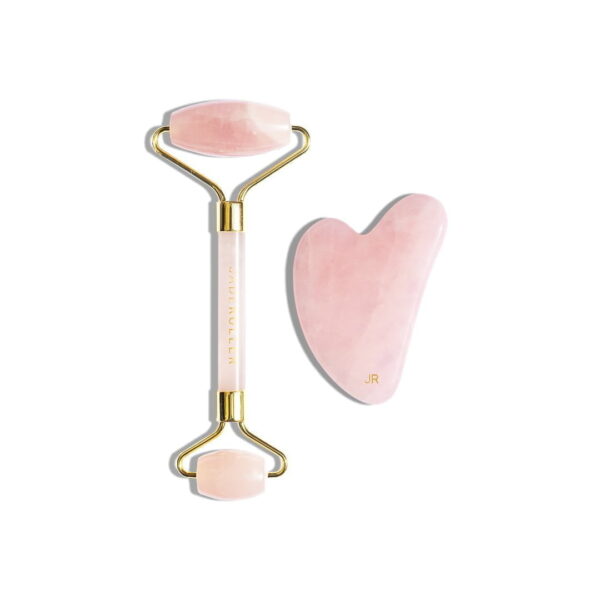
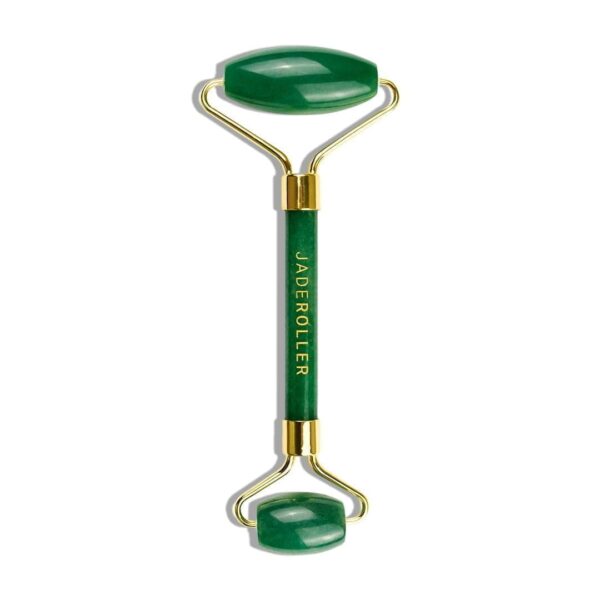
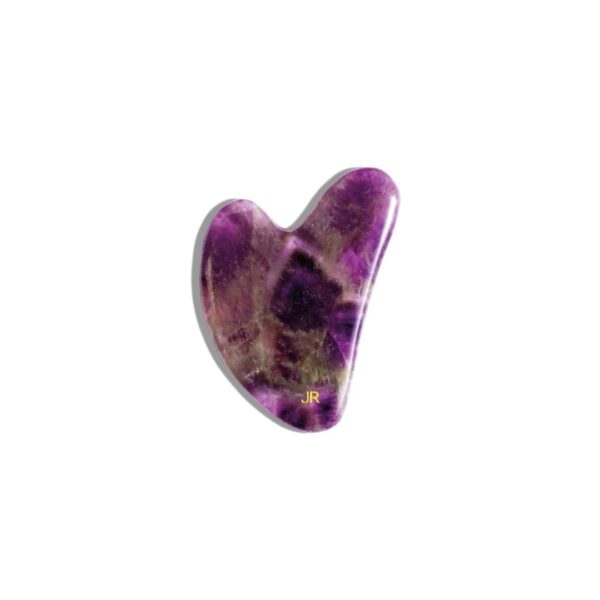
Face Roller & Gua Sha Set
Price range: €49.80 to €62.80 41 REVIEWSADDADD TO CART This product has several variations. Options can be selected on the product page -